
The History of Blackjack: From Vingt-et-Un to the Live Dealer
How a French parlor game became the most mathematically studied casino game in the world.
Reviewed by the Casinokeller editorial team · Editorial policy
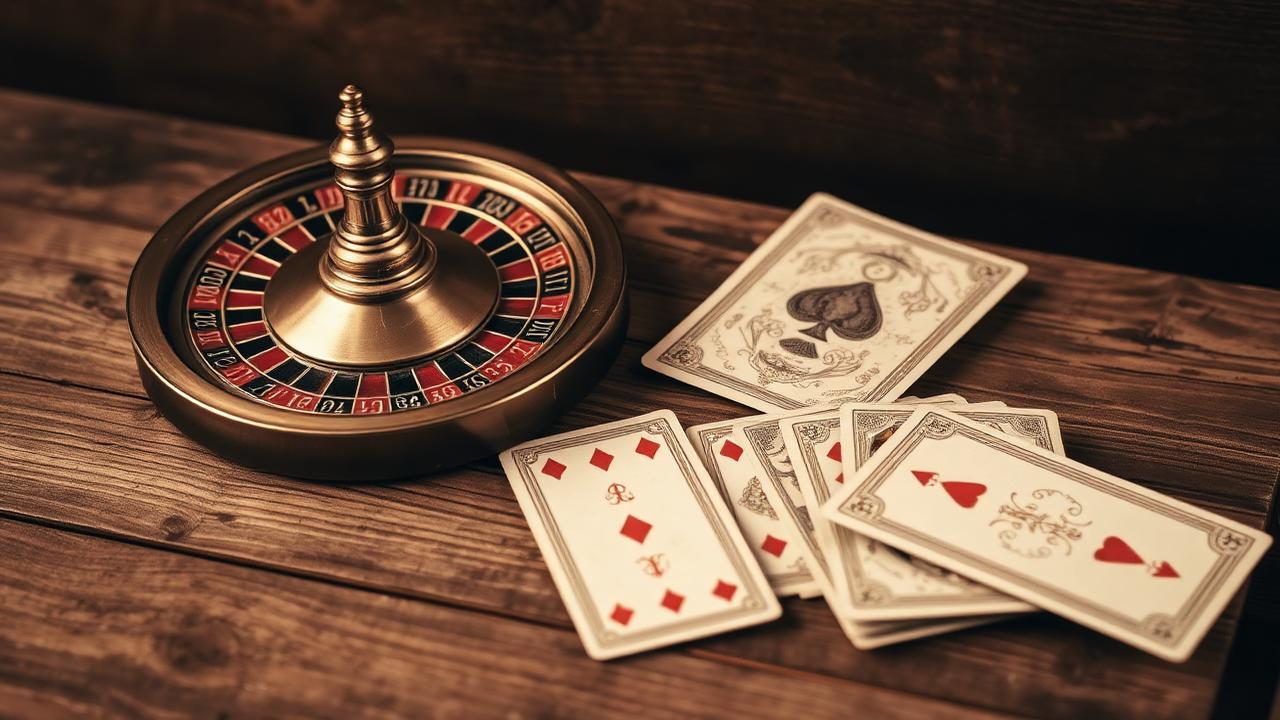
Blackjack is one of the oldest casino games still played — and the most mathematically understood.
18th-century origins: The most likely root is the French game 'Vingt-et-Un' (Twenty-One), popular in Parisian casinos around 1700. Spanish and Italian predecessors like 'Trente-un' and 'Sette e Mezzo' contributed the idea of approaching a target number without busting.
Crossing to America: French settlers brought the game to the US in the 19th century. Initially unpopular, Nevada casinos offered a 10:1 bonus when the hand was a jack of spades plus an ace of spades — a 'black jack'. The bonus disappeared; the name stuck.
The mathematical revolution (1962): Mathematician Edward O. Thorp published 'Beat the Dealer', proving that card counting can erase the house edge. Casinos responded with more decks, more frequent shuffles and shuffle machines.
The MIT Blackjack Team (1980s–90s): MIT students refined team-based counting and won millions — a story later told in 'Bringing Down the House' and the film '21'.
The online era from the 2000s: RNG-based online blackjack made counting useless (the deck is reshuffled after every hand). Live-dealer tables from the mid-2010s brought back real cards and croupiers via stream — counting is harder, but not impossible.
Today: Blackjack still has the lowest house edge in the standard casino menu — often under 0.5% with optimal basic strategy. That math is why it endures.