
Can you manipulate slot machines? — Why it doesn't work technically or legally
Magnets, NFC, software hacks, coins on strings — we walk through the popular manipulation myths and show why modern slots are immune, what criminal liability follows, and why 'manipulation' today is almost always a scam aimed at the buyer.
Reviewed by the Casinokeller editorial team · Editorial policy
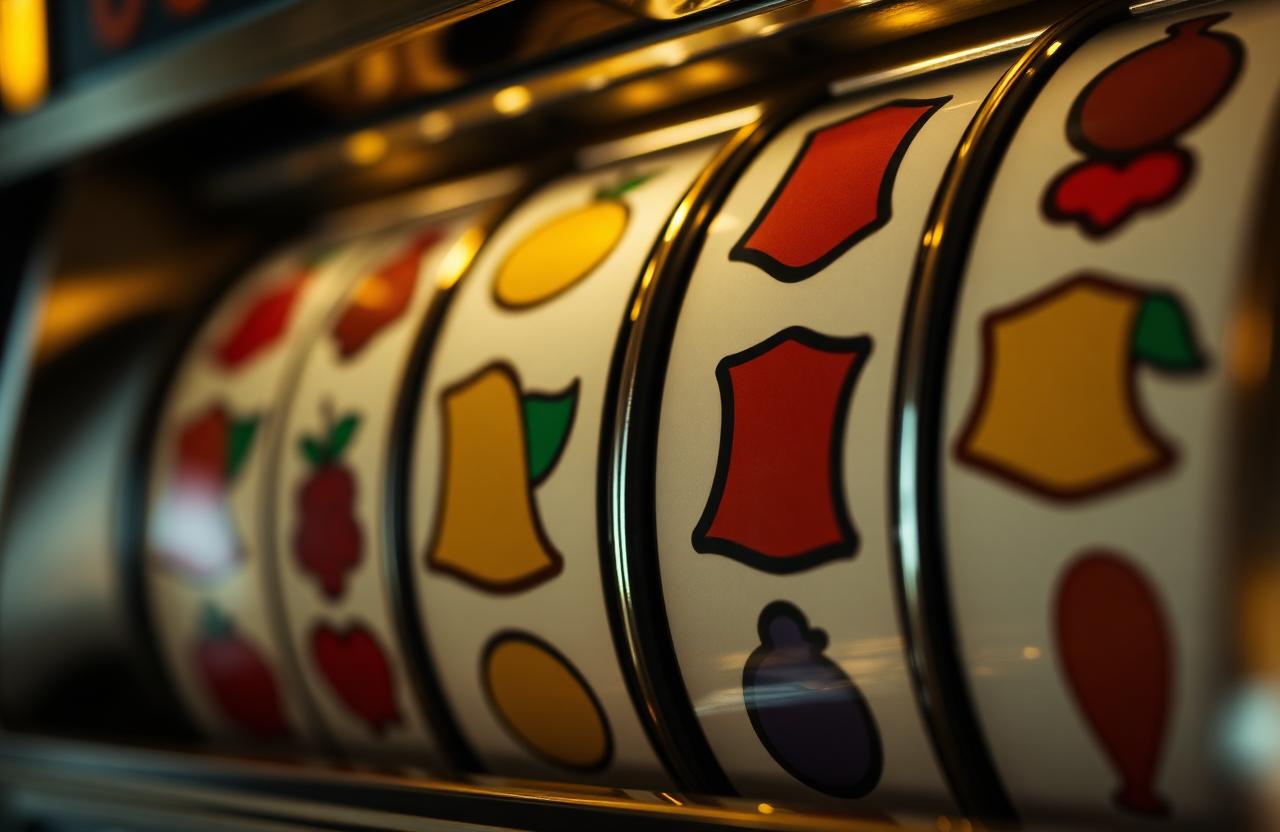
The honest answer to 'can you manipulate slot machines?': Modern slots cannot be manipulated. Mechanical tricks from the 1970s and 80s don't work on today's hardware. Most 'guides' circulating online are outdated, fake or targeted scams aimed at the buyer.
What used to work: In the 70s and 80s, slots were electromechanical. Reels spun physically, payout sensors were analogue. Tricks like magnets on reels, coins on strings ('yo-yo'), manipulating light-curtain sensors or special 'slot slugs' partially worked — and were prosecuted consistently. Those machines no longer exist.
What's inside a modern slot: Fully digital systems with cryptographic RNG, sealed chips, tamper seals on every cabinet, real-time monitoring via the casino backend, and external audits (e.g. eCOGRA, GLI). Any deviation from expected RTP is detected automatically — the machine goes offline.
Myth 'magnet trick': Modern slot reels are virtual — what you see is a display or a stepper-motor-driven reel. Magnets have zero effect on the RNG, which runs in an isolated chip. Magnets at a digital display might break the display, but never the spin result.
Myth 'NFC/RF hack': Some 'guides' claim NFC signals trigger payouts. Reality: there is no open wireless interface in regulated slots that triggers payouts. Anyone attempting it (jammers, RFID) also commits a telecoms-law offence in most countries.
Myth 'USB software hack': USB ports on modern slots accept only authorised service software protected by hardware dongles. No original key, no effect. Past notable hacks (e.g. Alex Kovsky's Aristocrat Mark VI exploit, 2014–2017) relied on a specific algorithm flaw that has long been fixed and the affected machines retired.
Myth 'insider code': Sellers offer 'secret codes' for venue machines (Novoline, Merkur, IGT). These codes exist — they open the service menu for authorised staff and are documented. They do not alter payouts; they show technical statistics. Entering service mode without authorisation is computer sabotage in most jurisdictions.
Criminal consequences: Manipulating a licensed slot meets the elements of computer fraud (§263a German Criminal Code; equivalent statutes in the UK Computer Misuse Act, US CFAA, etc.) — up to 5–10 years imprisonment depending on jurisdiction and severity. Plus civil damages claims by the casino. Recent rulings show even small attempts are prosecuted, often with suspended sentences for first offenders.
What happens to 'won' money: Withheld without claim. The operator may refuse payout and report the player. Multiple supreme-court rulings confirm: anyone manipulating a machine has no civil claim on the winnings — no matter how minor the manipulation.
Who profits from 'manipulation guides' online: Sellers of worthless PDFs (often €49–199), affiliate sites that redirect to a casino after purchase ('test your trick right here!'), and phishing pages harvesting payment data. The real manipulation happens to the buyer — not the machine.
What actually reduces losses: Pick a high-RTP slot (96–98%), smaller stakes relative to bankroll, turn off auto-spin, strict session limits. These four points measurably reduce loss — legally and risk-free. Tools on Casinokeller (house-edge calculator, bankroll simulator) show the effect in concrete numbers.
Bottom line: Manipulating slot machines doesn't work — not technically, legally catastrophic, financially loss-making (for the buyer of the 'guide'). The only people profiting from the myth are the trick-sellers. Anyone serious about losing less works with mathematics, not magic.